
Phidippus octopunctatus Teddy Bear Spiderling
$24.99
Description
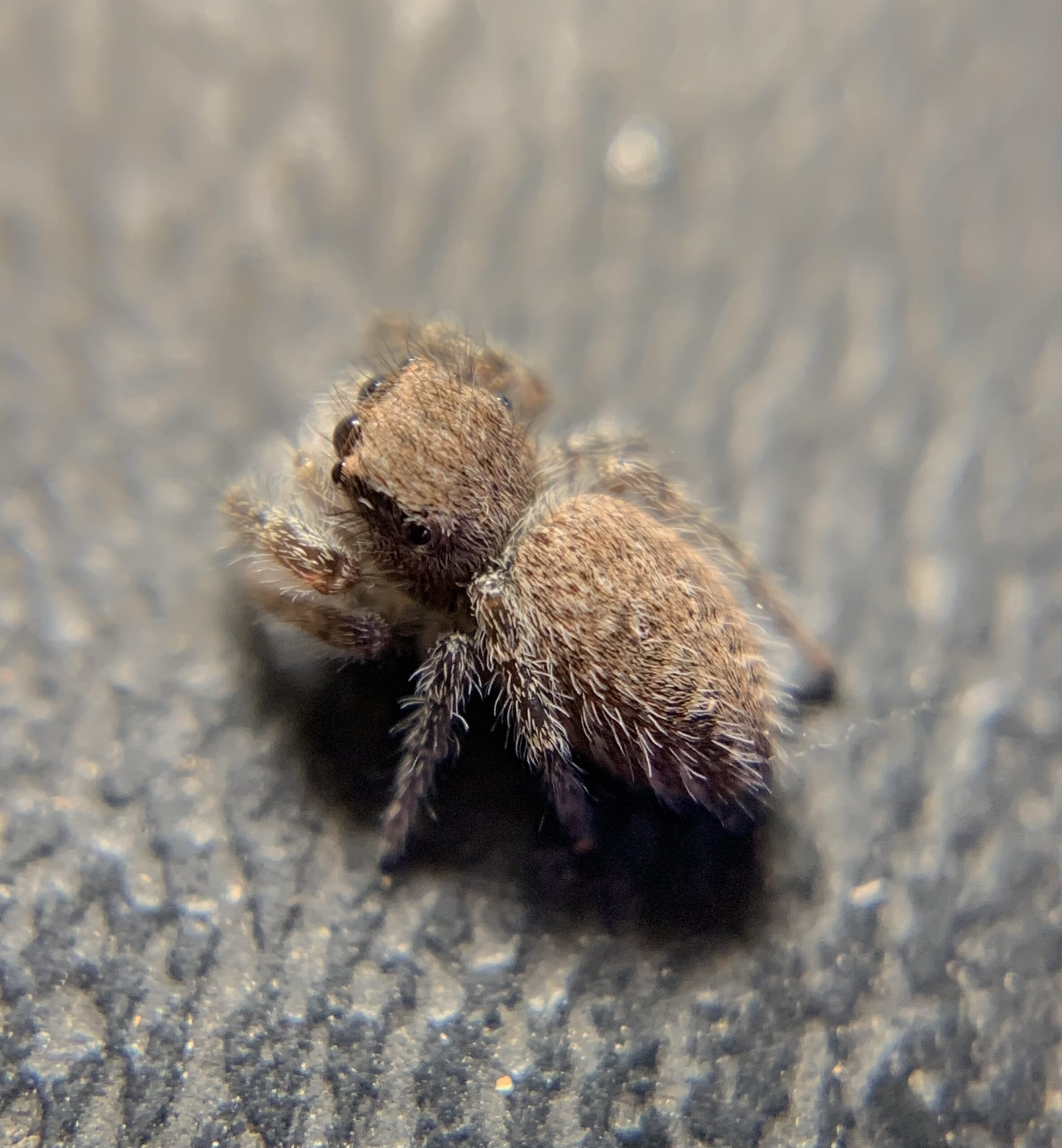
Now offering Phidippus octopunctatus Teddy Bear Jumping Spider spiderlings. These are captive-bred by us.
These natives are one of the largest species in the United States and Mexico. Some of those who study spiders claim these are larger than regals but scientists measure spiders in terms of body length rather than leg span, like hobbyists do.
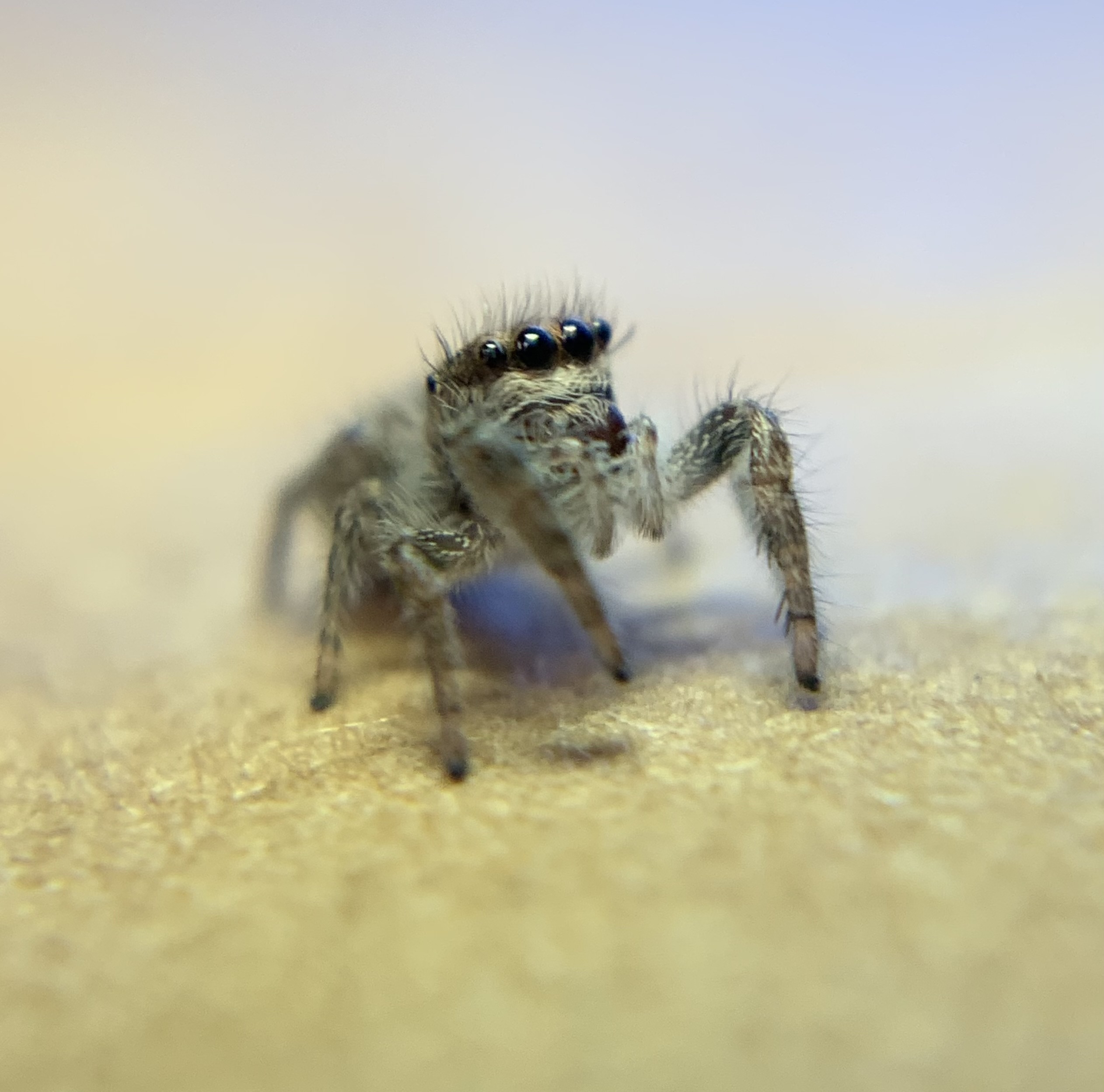
These are young, 4th to 5th instar spiderlings. They were born on Halloween, 2025, and are currently feeding on D. melanogaster fruit flies! (we have another up and coming clutch that was born from a diff mother on 11/20/25)
We cannot sex them as they haven’t taken on their sexual colorations or characters yet. Limit 3 per person due to low inventory.
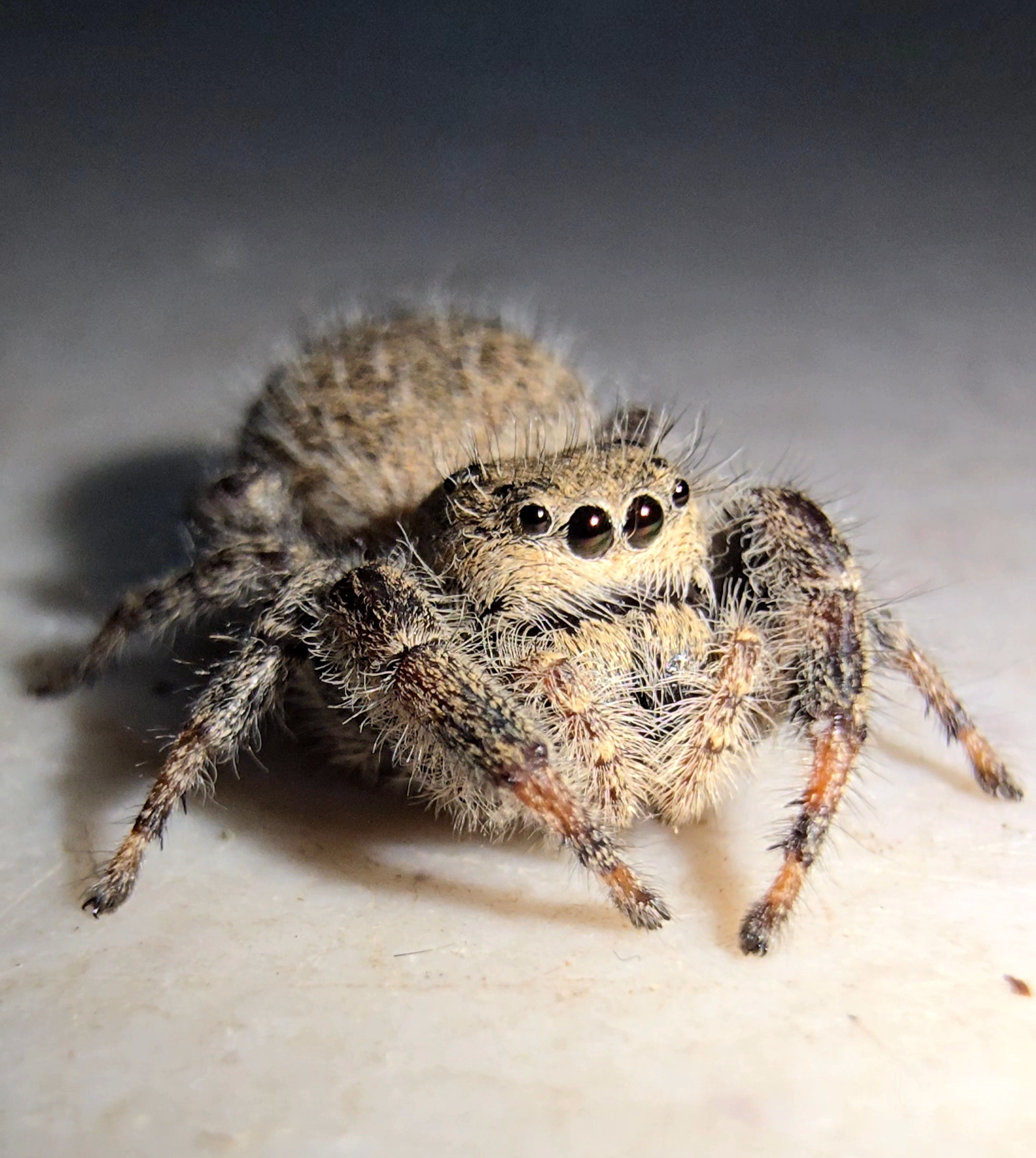
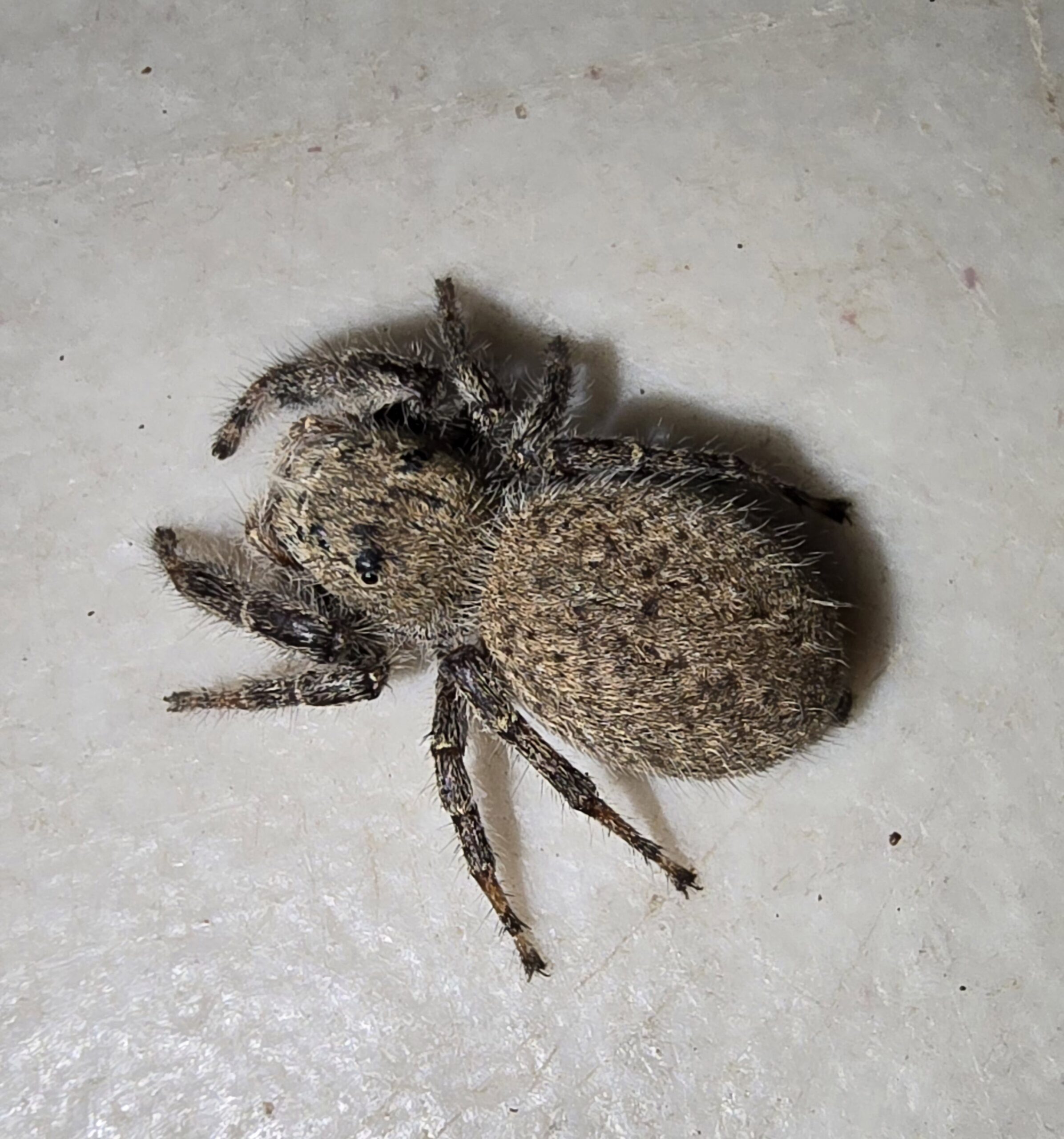
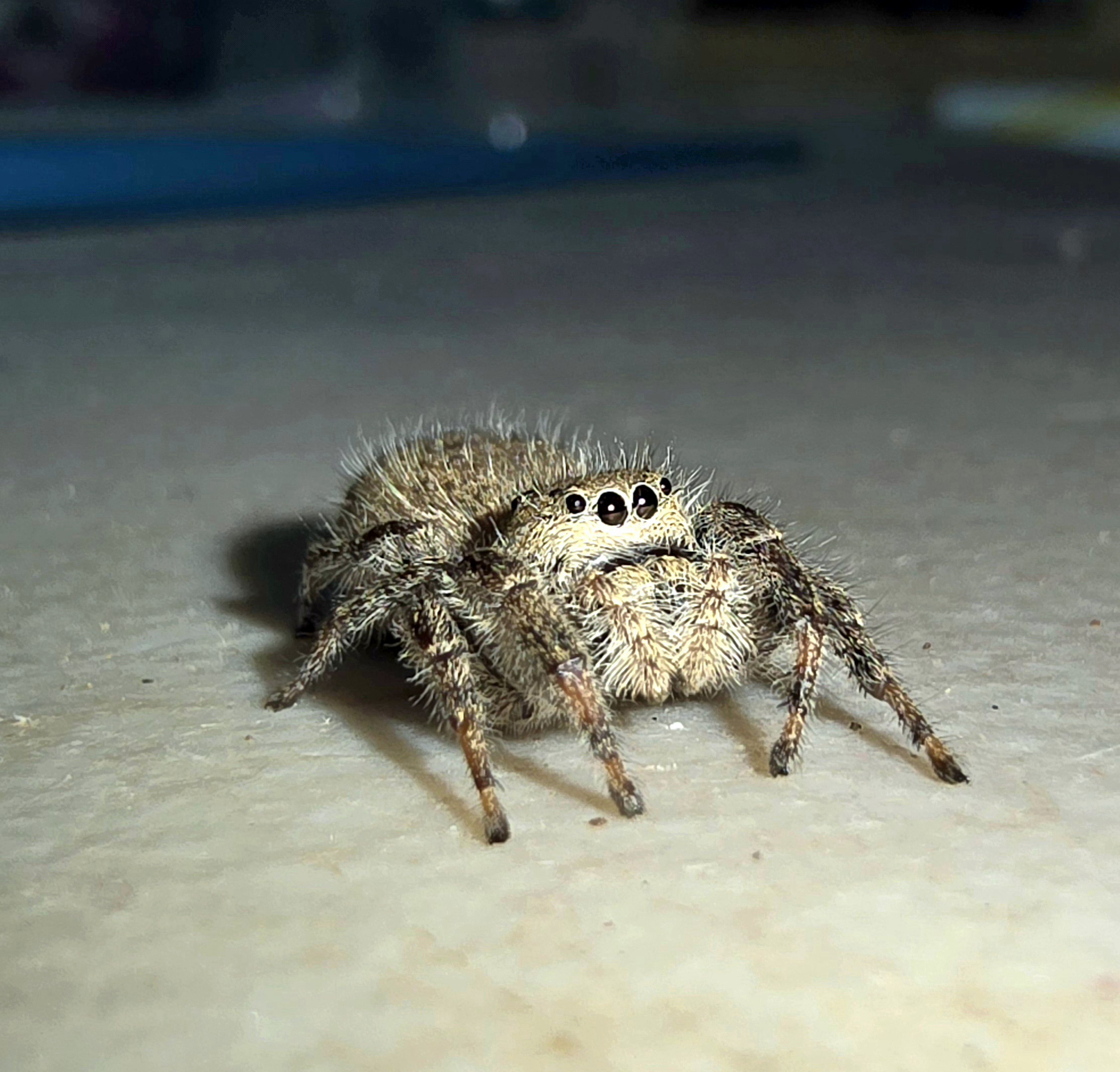
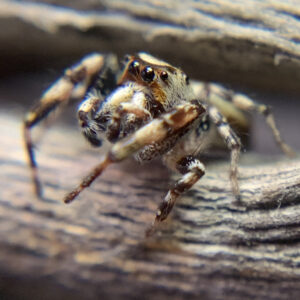
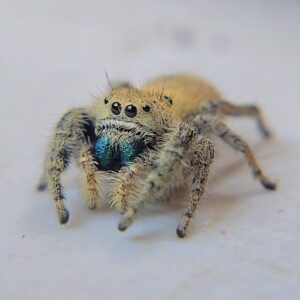
Main photo on page is of a normal coloration adult female. The last two images in the gallery (of four images) are of 3rd instar P. octopuncatus spiderlings. Adult males are not currently pictured but I’ll dig through my phone to find one and post it later. Males are one of the most strikingly colored jumping spiders in the United States with bluish gray and black bodies. The sexual dimorphism in this species is just amazing!
Some food and caging products are listed below.
An excerpt from an email I sent to somebody on 2/17/26…
Be sure to read our Jumping Spider Care Sheet which covers everything from purchasing, to unboxing to care through the life cycle.
Check out our YouTube video below and subscribe to our YouTube Channel! The first video shows care and set up for jumping spiders…
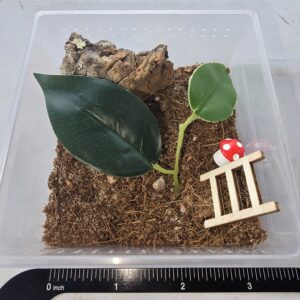
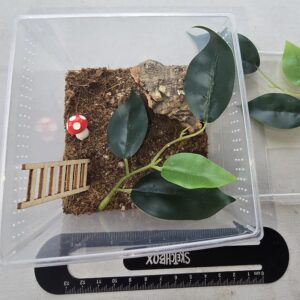
In the video below, we showcase how we build the tanks for the teddy bear spiderlings now…
Additional information
| Weight | .15 lbs |
|---|
1 review for Phidippus octopunctatus Teddy Bear Spiderling
Product Search
Featured Products
-
 Phidippus nikites Spiderling
$30.00
Phidippus nikites Spiderling
$30.00
-
 Phrynus maesi
$30.00
Phrynus maesi
$30.00
-
 Purple Ivory Millipede
$9.00
Purple Ivory Millipede
$9.00
Peggy Davis (verified owner) –
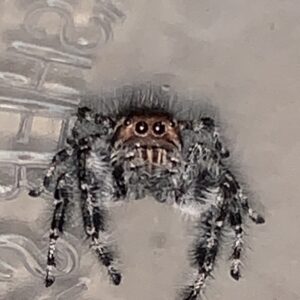
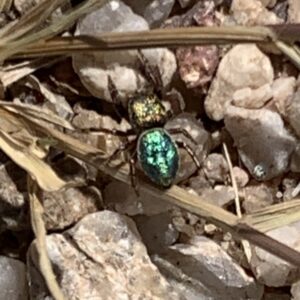
Oh. My. Heart. I ordered and received the cutest little Teddy Bear spiderling. I named him Otto and he is doing very well.
He came packaged very securely, and once I opened up the package and saw him, I immediately feel in love.
Thank you Peter for having such a healthy, wide selection of spiders!